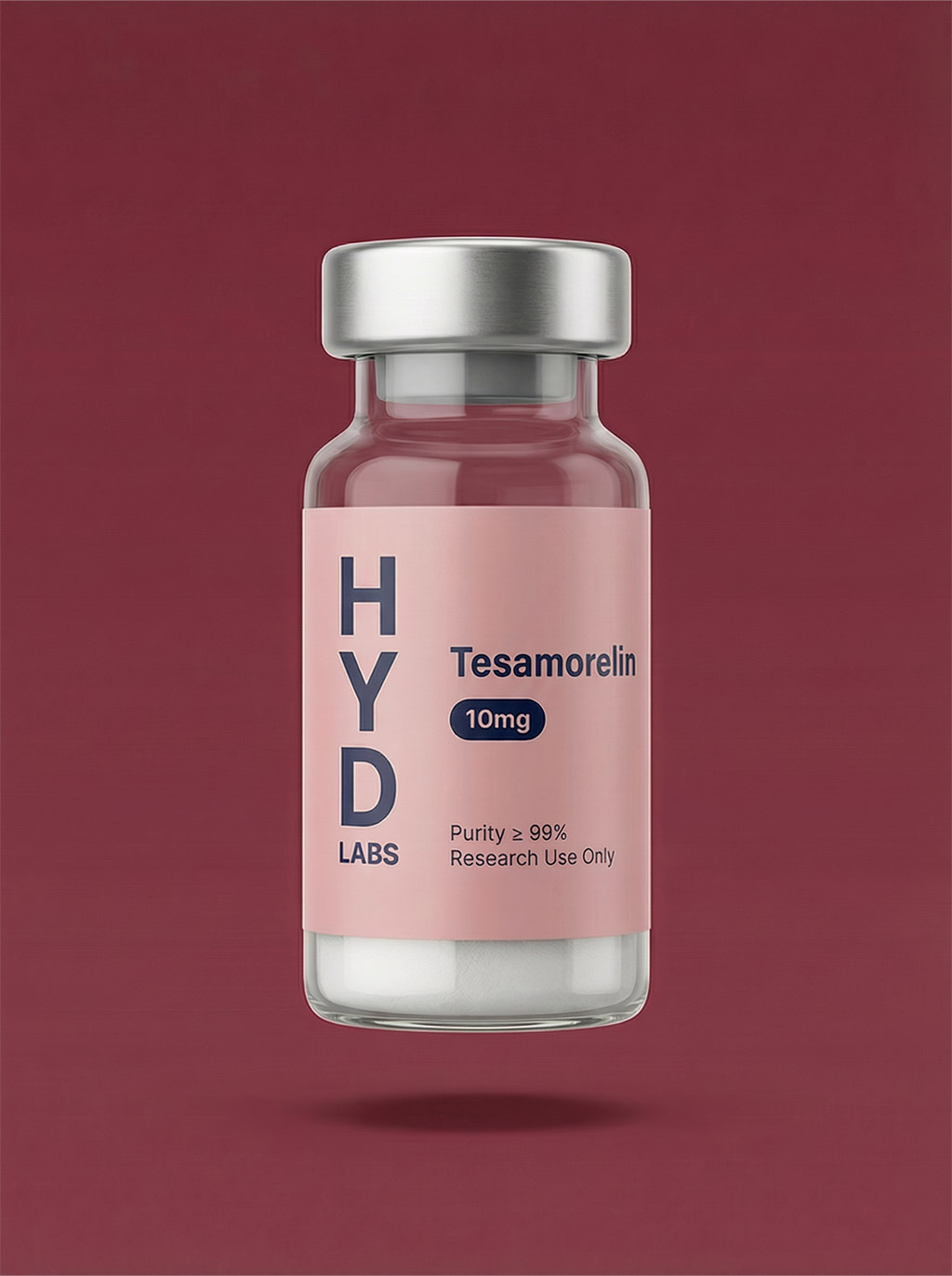
Tesamorelin
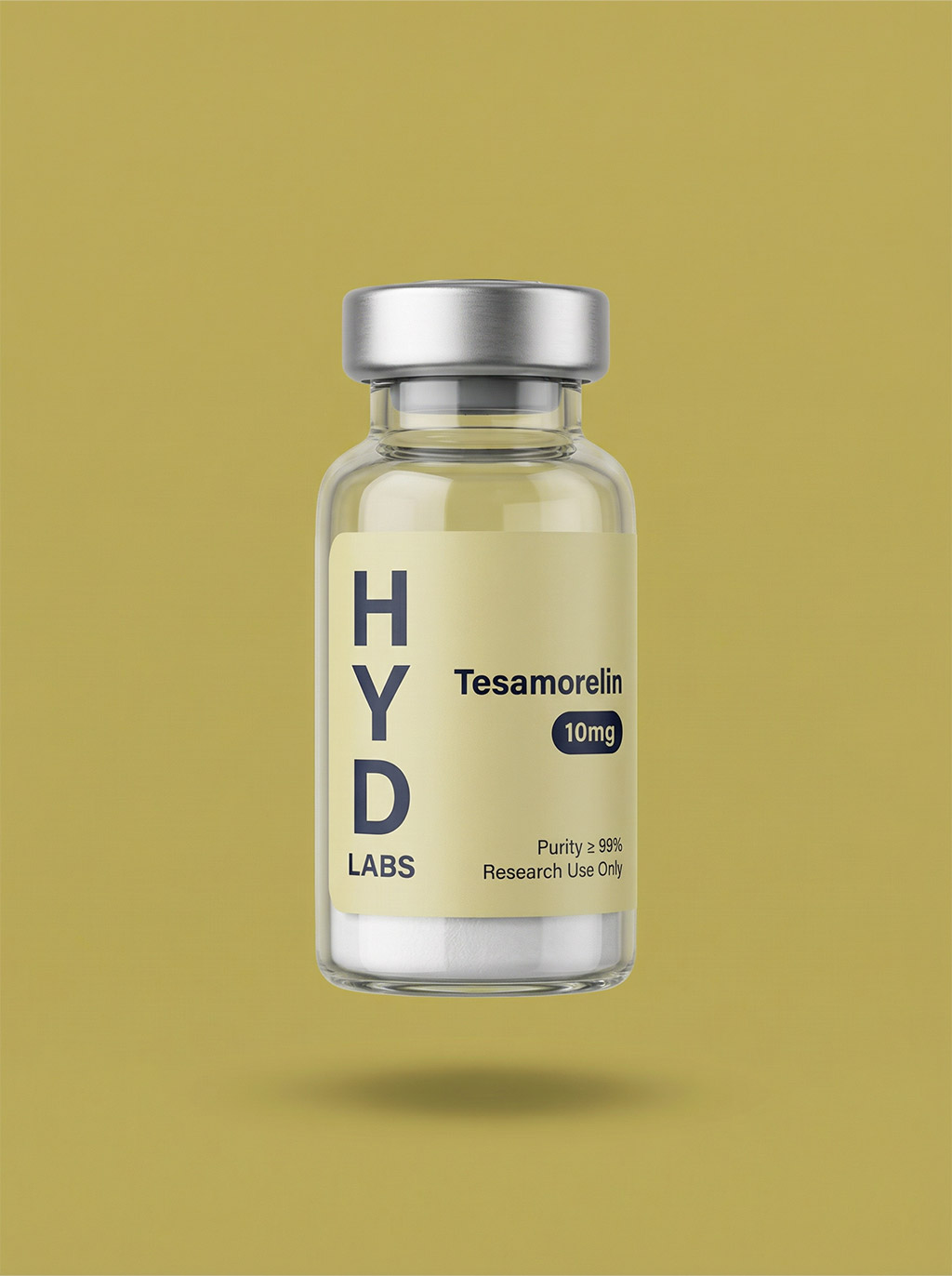
Tesamorelin is a synthetic analog of growth hormone-releasing hormone (GHRH) designed to stimulate endogenous growth hormone secretion and subsequently increase IGF-1 levels. It has been studied extensively in metabolic and endocrine research, and in the United States it is FDA-approved for a specific indication involving abdominal fat accumulation in certain patient populations. Beyond this regulated use, Tesamorelin continues to be investigated for its potential influence on insulin sensitivity, liver metabolism, body composition, and broader metabolic pathways.
Scientific studies have also explored Tesamorelin’s relationship to cognitive function, particularly in aging populations and in research examining mild cognitive impairment and Alzheimer’s-related risk factors. These investigations focus on how growth hormone and IGF-1 signaling may interact with neural plasticity, memory formation, and overall brain health.
Additional research has examined Tesamorelin’s impact on muscle protein synthesis, metabolic rate, inflammatory balance, bone density, mood regulation, and sleep architecture. Its targeted mechanism of activating GHRH receptors makes it a notable peptide in studies related to aging biology, metabolic regulation, and systemic hormonal signaling.
You may also like
Related products
$35.00
Select options This product has multiple variants. The options may be chosen on the product pagePrice range: $40.00 through $70.00
Select options This product has multiple variants. The options may be chosen on the product pagePrice range: $60.00 through $100.00
Select options This product has multiple variants. The options may be chosen on the product page